


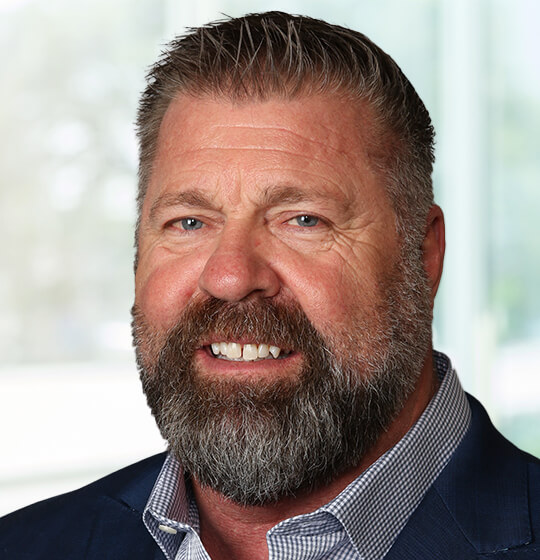
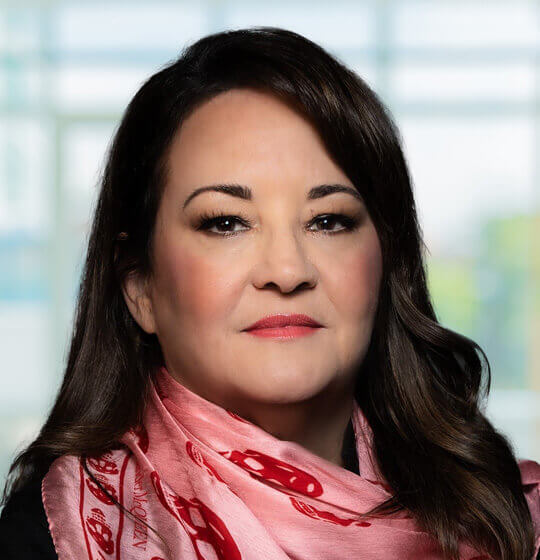
In this podcast, shareholders Kevin Bland (Orange County) and Karen Tynan (Sacramento) discuss Cal/OSHA’s February 2026 proposed rulemaking on walkaround inspections, which would significantly expand who may accompany inspectors during workplace safety inspections—including third-party representatives authorized by employees. Kevin and Karen, who is chair of the firm’s Workplace Safety and Health Practice Group, analyze key concerns for California employers, including the broad language around employee representatives, the inspector’s expanded authority to resolve disputes and control inspections, and potential implications for trade secrets, safety protocols, and employer rights. Written comments on the proposed regulation are due by April 1, 2026.
Breaking Down Cal/OSHA’s 2026 Walkaround Rule Proposal
By Kevin D. Bland and Karen F. Tynan
0:00:00
0:00:00



Transcript
Announcer: Welcome to the Ogletree Deakins podcast, where we provide listeners with brief discussions about important workplace legal issues. Our podcasts are for informational purposes only and should not be construed as legal advice. You can subscribe through your favorite podcast service. Please consider rating this podcast so we can get your feedback and improve our programs. Please enjoy the podcast.
Kevin Bland: Hello, everyone, and thank you for joining us for the Ogletree Deakins podcast. My name is Kevin Bland, and I’m a shareholder in our Orange County, California office. And joining me here today is Karen Tynan of our Sacramento office, a shareholder and also chair of the Workplace Safety Practice Group here at Ogletree. We’re going to talk today about the proposed rulemaking in the 2026 draft walkaround regulation that’s being proposed. So, Karen, tell me about this. I think in February, I think February 13th, 2026, this year, Cal/OSHA issued a notice, a proposed rulemaking for the walkaround rule. What’s the background of this? How’d this come to be in California? Because we already had something similar.
Karen Tynan: Right. We have parameters around inspectors walking around and performing their inspection. And fed OSHA has an updated walkaround rule. And so, Cal/OSHA definitely took the opportunity to say that they needed to expand their regulation. I think they’re looking to gain advantages, have labor, have more employee involvement, and we’ll dive into that, Kevin. But the background is, we already have a rule and now it’s pedal to the metal. We got this notice of proposed rulemaking in February and April 1st is when we’re going to have a meeting about it, right?
Kevin Bland: Yeah, that’s it. And it’s interesting because right now it allows a representative of an effective employee, right? So, let’s dive into this one and see how it tries to expand and change that, Karen.
Karen Tynan: For sure.
Kevin Bland: At the beginning it says, and I’ll just read some of the…read it word for word here: “A representative of the employer and a representative authorized by employees shall be given the opportunity to accompany the chief or their representative, i.e., the inspector, during the inspection of any workplace. And then the chief or their representative may permit additional employer representatives and representatives authorized by employees, plural, to accompany them during the inspection.” And it goes on to say, “For this section, representatives shall have authority to resolve all their disputes.” So that means the person wanting to bring it in gets to decide whether they’re right or not, right?
Karen Tynan: It’s the cop deciding whether you were speeding or not. Judge and jury.
Kevin Bland: Yeah, exactly. Exactly. And now let’s dive into this a little bit, Karen. What’s some of the key points in that new regulatory proposed language that you think is going to create some issues to be concerned with for employers in California?
Karen Tynan: So, this is section 331.8 in the Title VII regulations around Cal/OSHA procedures. And the part I don’t like in what you said, Kevin, and it’s not that I don’t like you, you’re the messenger. But I don’t like how it’s laying out that the inspector is going to decide who these representatives are if there’s some kind of dispute. So, let’s talk about how we do walkarounds, Kevin. Let’s pick a factory floor or warehouse. You go in there and certainly if there’s a labor union, they’re going to walkaround with you, right?
Kevin Bland: Yeah, they have that right, which is an employee representative under the current regulation, right?
Karen Tynan: Right. But now this seems a lot more loosely worded. And one thing that I could see happening is, let’s say an employee that maybe complained or was involved in an accident, or maybe there’s another reason that employees want to have someone else there. They could even say, “Well, we want our attorney to walk around with you.”
Kevin Bland: Yeah, right. And it isn’t like it’s eliminating that right to…let’s say there’s an injury and they want their attorney to come. There’s a process for that, right, Karen, outside of the Cal/OSHA? Because the inspection of Cal/OSHA is regarding the workplace safety, regardless of the accident and other things as well. So that’s a sea change in this, and it opens it up for a lot of, I’ll say, shenanigans. Would you agree with that?
Karen Tynan: Shenanigans are a kerfuffle; let’s use some funny words, Kevin. So, these inspections, when you’re walking through, doing a walkthrough, a walkaround, when you’re at a site, you can be going into areas where machinery’s running. You can be going into areas where employees are actively working. You could be going into areas where there’s food safety concerns. You and I work with animal processors, meat processors. You go into these places and there are some very tight controls around PPE around, for example, food safety or other employee safety or biohazards or trade secrets. And this is just way more broadly worded for there to be representatives walking around during inspections than I feel comfortable with. Now, do I think there’s a whole lot we’re going to get pushing back on it? That’s for another conversation, but I want employers to be aware of this possible change and how it could impact a very important part of inspectors walking around during an investigation and could cause employers to have to really adjust their procedures and how they plan to respond to an OSHA inspector doing their inspection, doing their walkaround, Kev.
Kevin Bland: That’s a very good point. Another thing, and I want to get your take on this that stood out with me, and we’re still on this first section here, believe it or not, where it says basically any employees or authorized by employees. Now, the old reg required it to be an employee of the company, and also if it’s a labor union, that employee has to be a member of the labor union. This is so broad. It doesn’t even say the affected employee or employees. It just has this broad term. What do you think of that?
Karen Tynan: I like how you’re analyzing that. I’m troubled by it. So, let’s say it’s a very big facility with 500 employees and the inspector shows up and they’re going to go to the loading docks. Well, what if you have some employee in bookkeeping who says, “Well, I want to send my representative.”
Kevin Bland: Yeah, exactly.
Karen Tynan: You’re in bookkeeping. You don’t work on the loading dock. You don’t know anything about the loading dock, but they’re going to demand and have the right to demand their representative.
Kevin Bland: Yeah. Now, as written, I’m going to take it a step further. Your competitor’s employee says, “I want a representative because they do the same work we do, and we’re concerned here.” Now, I know that the inspector’s going to arbitrate that, but now we’re still left with the person that’s arbitrators, not a judge, not a jury, there’s no legal proceeding, he just gets to say, or she gets to say yes or no. So not to be the sky’s falling, but that’s it. I want to point out something else and get your opinion on this too, Karen. It says, “May permit additional employer representatives.” Is that an expansion?
Karen Tynan: I do believe so. This additional employer representatives…now look, when you and I go to a site, a lot of times we’re the employer representative. We’re walking, doing a walkaround, and you and I follow the same theory that you don’t have a gaggle of employer folks walking around at a site.
Kevin Bland: Yeah. Well, then that’s a good point. I haven’t even been reading it the way you just did because you’re right. Does that mean the inspector gets to choose additional employer reps because traditionally the employer gets to decide, right, Karen?
Karen Tynan: Right.
Kevin Bland: And if we’re representing, we help with the informed decision or if we’re not, the management or the safety and all of that. And so, there’s another point that I didn’t even see that that could expand it to who gets to make that decision.
Karen Tynan: Who makes that decision? And you and I, I think, also follow the philosophy that when there’s a walkaround, when you’re going to inspect, when you’re going to look at that machine, you don’t want a spectacle. You want the inspector, a management rep, and if there’s a union rep or someone else that’s an expert in that machine, you go there, but you don’t need to have 12 people with clipboards and hard hats and a flurry of activity being a distraction and making the walkaround be more obtrusive and disruptive than it should be.
Kevin Bland: And the point that I hear you making is there’s safety concerns here too. It made me think of, I’ve had this happen where Cal/OSHA gets out there, we haven’t gotten there yet, or we’ll get the file later and it’s a skylight fall and there’s the inspector standing next to the skylight that someone fell through taking a picture and then citing us for being too close to the sky. Now imagine when there’s five people, six people that are following that inspector around. How do you control that?
Karen Tynan: Right. We have to be safe in this, and we have to think about it. Everybody’s got to have the right PPE. And sometimes in, let’s say in a warehouse, that might not be too much, but in a food processing facility, there’s going to be a lot of PPE, right?
Kevin Bland: No, exactly.
Karen Tynan: And now you’re going to have to get it for everyone, make sure everyone’s got their gear on, do your safety meeting. Come on, man.
Kevin Bland: Oh, yeah. I mean, we could almost spend the whole podcast on this because get a refinery and you got to have a week’s worth of training before you can go in. I mean, there’s all kinds of stuff here. That was section A we were just discussing. Let’s talk a little bit about section B, which says, “For purposes of this section, the representatives are representative authorized by employees…” There’s your author. “Authorized by employees may be an employee of the employer, a third party, or the collective bargaining representative.” Now there’s more to that, but I think there’s enough there just to analyze a little bit for right now.
Karen Tynan: Right. So, you can have someone that’s an employee that’s going to do the walkaround. What’s this third-party thing? That could be the attorney for an employee. It could be Jim Bob’s uncle who Jim Bob says, “Well, my uncle’s an experienced forklift operator, and I want him walking around because it was an accident for me, and he’s the person that’s going to walk around and represent my interest.” I mean, I don’t want to sound like I’m getting too far afield, but these are very broad terms that don’t have a lot of guardrails on them, Kev.
Kevin Bland: No, exactly, because that third party is broad. We also see this as a potential in a non-union shop, as an organizing tool.
Karen Tynan: Oh, for sure.
Kevin Bland: A third party. Or can be a community activist organization, and it could be your neighbor that just has no guardrails on it.
Karen Tynan: So, I think that section B is for sure problematic in that way. And also, the inspector can make the call that if in their judgment, good cause has been shown why the participation is necessary to conduct an effective and thorough physical inspection of the workplace. Well, okay, so this inspector who may be a safety engineer or industrial hygienist is suddenly going to be the determinator of-
Kevin Bland: The terminator.
Karen Tynan: …the decider, the determiner, the arbiter of what good cause is?
Kevin Bland: Well, yeah. I mean, judges struggle sometimes with good cause and emotions. So, the other thing is there’s no flip side to this. There isn’t a section that I’ve seen yet that says, “We can present good cause of why this may impede or not benefit the division’s inspection.” And it’s interesting because every day, and we’ll probably talk about this in another podcast, but when we’re in trial, who do they say is the foremost expert on every subject matter that we’re ever cited for?
Karen Tynan: Right, the inspector. He or she’s usually a first witness. They lay a ton of foundation for a couple of hours and really try to establish, “Well, oh, all we need is the testimony of the inspector. They’re the expert. They know everything.” Well, okay, if they know everything, why do we need all these other people to walk around?
Kevin Bland: Yeah, exactly.
Karen Tynan: I like your take on that.
Kevin Bland: So, now section C, and this one just slays me, and I want to get your take. The chief or the representative, so I’ll replace that. “The inspector shall be in charge of inspections.” I’ll stop there. There’s more. It goes on. It talks about the authority to deny the right of a company and et cetera, which we talked about over in this. But “shall be in charge,” I mean, Karen, what happened to all the rights that an employer has and the duties an employer has and the rights and remedy? What does that mean?
Karen Tynan: I know. And I think this is really trying to assert the inspector as the only person with a role in an inspection. And you and I both know, employers have rights, employees have rights, and the inspector, the division has rights. And so, for me, and it’s uncommon, you and I will get a phone call an opening conference is starting for a client at a construction site, whatever. We’re on the phone; we’re establishing the scope. And then when the inspector says, “Hey, I want to interview three framers today.” Your response might be, “Well, it’s three o’clock. We’ve already finished up. Everybody’s buttoning up. I’ll arrange those framer interviews for you in a couple of days. You just let me know. I’ll bring them to your office, whatever it is.” Well, this makes it sound like you don’t really have a right to do that, Kev.
Kevin Bland: Yeah. Yeah, exactly. Or what about supervisors where they don’t have a right whatsoever to interview them when they’re represented by counsel, without counsel present?
Karen Tynan: For sure. So, that first sentence seems like a heavy way to make a statement of authority. And then also in section C, this language troubles me a bit too, Kevin. I want to get your feedback on it. “The chief or their representative,” meaning the inspector, “is authorized to deny the right of accompaniment under this section to any person whose conduct interferes with the fair and orderly inspection.” What does that mean?
Kevin Bland: Well, that’s the anti-Kevin and Karen clause. You didn’t know that? Because they’re going to claim that and try to exclude us when we’re representing our client walking through there. Because this doesn’t say the additional and an employer has a right, right now, with a representative to walk the site with them, take the same pictures they take.
Karen Tynan: Exactly.
Kevin Bland: And so, as worded, this sounds like, in essence, if the inspector decides on the spot, “You know what, Mr. Employer? You aren’t allowed to walk with us. I’m taking the plaintiff’s attorney, the union rep and the Fair Employee Act, whatever.” I’m making up the name of an association that doesn’t exist, “And these 12 employees that say they have issues on the walk, you can’t go.”
Karen Tynan: Right. Because you’re just not being easygoing enough and you’re going to make it more difficult. And so, what does fair and orderly inspection even mean? And the decision to deny the right of accompaniment, I think, is very problematic. I’m sure it is going to be deeply discussed, and there’ll be a lot of comments submitted by April 1st, 2026, on this. I don’t like it. And certainly, most walkarounds aren’t contentious, Kevin. We go and take our photos, do our thing, look at the machine.
Kevin Bland: I would almost argue I’ve never been on a contentious walkaround inspection. There have been where we have to talk about maybe what they’re wanting to make…an example is they wanted to go into an electric room. They had to have the full electrical suit on. And that wasn’t contentious. It was like, “Hey, cop stop. Let’s get you a suit. Get your suit on, PPE.” That sort of thing. That’s not contention, but things like that happen. Now you exclude the employer, if that’s what it is. What I think, and just so people aren’t completely panicked by the time they read it. One is, this is a proposal, right, Karen?
Karen Tynan: Right.
Kevin Bland: We’re going to have time to argue, I shouldn’t use the word, negotiate, whatever you want to call it. For example, this could be a simple change to a third party or something like that in that context, but we haven’t gotten there yet. So, there’s one last thing before we wrap up is the idea of how comments…so, someone is concerned about that after they’ve heard this. How does it work? How can they be involved?
Karen Tynan: Sure. So, written comments certainly are a preferred method so that you are part of the regulatory history. So, for example, if you’re a medical device manufacturer, and you have concerns about trade secrets during a walkaround inspection, and you think that section D, governing trade secrets isn’t strong enough, it is time before April 1st, 2026, to get those written comments in. And certainly, you can speak at the Standards Board meeting and be on the record that way. But I do find that written comments can be very powerful. And I do expect the Cal Chamber, and we love the Cal Chamber. They really work hard on all these issues and new regulations. We’ll expect them to submit some very substantial comments, but it is going to be up to employers, trade organizations and various groups. And Kevin, let me tell you, labor advocates and all that, they’re going to want this language made even stronger.
Kevin Bland: No, good point. Good point. So, what we’ll do, if you follow Karen or I on LinkedIn, we will post a link to where you can go on and do the comments and follow the rulemaking on the Cal/OSHA website. So, with that, thanks for listening to Karen and I today. Look for our blog articles on Ogletree, which means look for Karen because I don’t write any. Check out our workplace safety practice page, ton of good stuff there.
Karen Tynan: And webinars. We do some cool webinars.
Kevin Bland: Webinars. Yeah. Check out the webinars. Thanks for listening.
Karen Tynan: And stay safe, everybody.
Announcer: Thank you for joining us on the Ogletree Deakins podcast. You can subscribe to our podcast on Apple Podcasts or through your favorite podcast service. Please consider rating and reviewing so that we may continue to provide the content that covers your needs. And remember, the information in this podcast is for informational purposes only and is not to be construed as legal advice.
Speakers
Share Podcast


Practice Group
Workplace Safety and Health
The Occupational Safety and Health (OSH) practice of Ogletree Deakins is characterized by the knowledge and credibility of our attorneys, and the exceptional level of service that we provide to our clients.