


Quick Hits
- A number of states passed new laws in 2026 related to paid and unpaid leave, employment discrimination, child labor, noncompete clauses, and pay transparency, among other things.
- These new state laws will take effect on July 1, 2026, unless otherwise noted.
- See our article, “2026 Midyear State and Local Minimum Wage Increases,” for a roundup of changes to state minimum wage rates taking effect in mid-2026.
Arkansas
In Arkansas, a new law imposes data privacy and security requirements on covered operators of websites, online services, online applications, or mobile apps if the product or service is directed at children or teens or if the operator knows that it is collecting personal information from children or teens.
Connecticut
Connecticut has a new law that establishes workplace standards for warehouse employers, including requirements to provide written notice of performance quotas, maintain work speed data records for three years, and protect covered nonexempt employees from adverse action for exercising their rights under the law. It applies to employers with 250 or more employees at a single Connecticut warehouse distribution center.
Florida
HB 1407 revised the procedural framework for civil actions and administrative remedies under the Florida Civil Rights Act (FCRA), which prohibits employment discrimination based on race, religion, gender, pregnancy, and other protected characteristics. Claims brought under the FCRA would have to be commenced no later than oneyear after the date of determination of reasonable cause by the Florida Commission on Human Relations or the issuance of a notice of right to sue letter by the U.S. Equal Employment Opportunity Commission, whichever is earlier.
Georgia
- A new law in Georgia permits independent contractors, including gig workers, to receive voluntary portable benefit contributions for health insurance, paid time off, and retirement without jeopardizing their independent contractor status.
- Georgia legalized medical marijuana for patients who have a registration card from the state Department of Public Health because of a medical diagnosis, such as cancer, multiple sclerosis, Parkinson’s disease, or post-traumatic stress disorder. The law does not provide express employment protections. Employers are not required to permit or accommodate marijuana possession or use by employees while on duty or off duty.
Hawaii
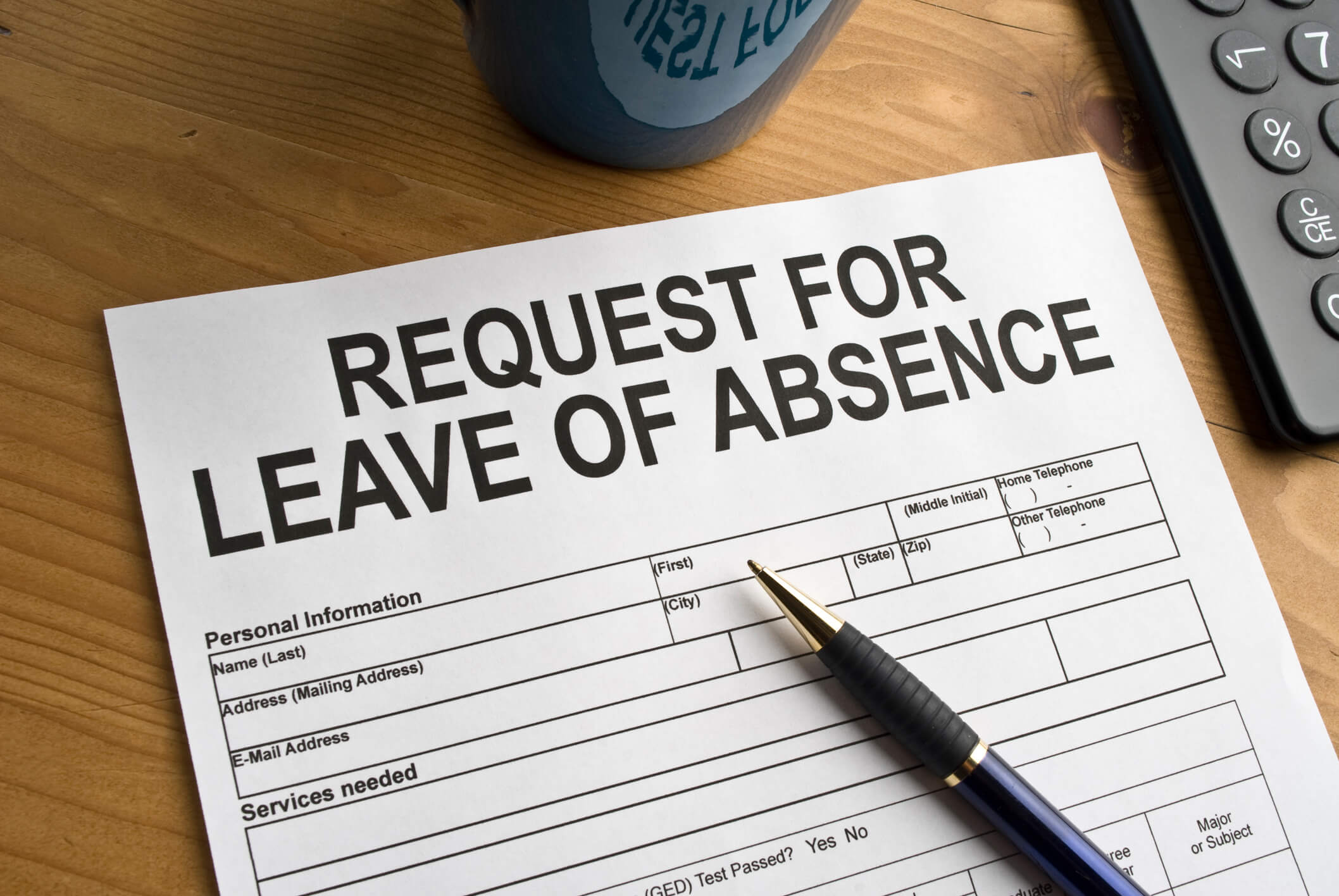
Within its Family Leave Law, Hawaii added qualifying military exigencies as a permissible reason for family leave. The other permitted reasons for using the unpaid family leave include the birth or adoption of a child or caring for a family member with a serious health condition.
Indiana
- SB 76 allows the state attorney general to bring an enforcement action against an employer if probable cause exists that the employer knowingly or intentionally recruited, hired, or continued to employ an unauthorized noncitizen in Indiana.
- Under HB 1302, Indiana employers no longer need to register with state Department of Labor to employ minors. Previously, employers could have faced civil penalties for failing to register the correct number of minors with the state Department of Labor. Minors do not need a work permit to work in Indiana.
Maine
- Under Legislative Document (LD) 54, all job postings for Maine employers must include a statement listing the prospective range of pay to be offered. This law will take effect on July 29, 2026.
- Starting on May 1, 2026, Maine employees are eligible to receive paid family and medical leave benefits. Starting on July 1, 2026, the maximum weekly benefit amount for paid family and medical leave claims will be $1,249.12. The amount is calculated using a tiered formula based on the state average weekly wage.
- Maine updated its law governing drug testing by employers. This law will take effect on July 29, 2026.
Nebraska
A new law in Nebraska (Legislative Bill 921) requires employers with one hundred or more workers to provide notice at least ninety days before a mass layoff or business closing. It will take effect on July 18, 2026.
New Hampshire
Employers in New Hampshire may be subject to civil penalties for violating the state law that mandates workplace accommodations for lactating employees. The lawrequires employers with six or more employees to provide unpaid thirty-minute breaks to pump breast milk for every three hours of work, inside a private, clean, nonbathroom space.
Tennessee
A new law in Tennessee bans noncompete agreements for workers who earn less than $70,000 per year.
Virginia
- A new law in Virginia expands paid sick leave to all public and private employees. The paid sick leave legislation mandates one hour of paid sick leave for every thirty hours worked, with an annual accrual and use cap of forty hours. In addition, the state’s paid family and medical leave law establishes a payroll-funded insurance program, providing qualifying employees with up to twelve weeks of paid leave at 80 percent of their average weekly wage, with contributions split between employers and employees.
- Virginia law now requires employers to (a) disclose, in all public and internal job postings, the wage, salary, or wage or salary range for the position; and (b) set the wage or salary range in good faith. Additionally, Virginia now has a statewide salary history ban, prohibiting private employers from inquiring into and/or relying on an applicant’s compensation history.
- Noncompete covenants will be unenforceable if an employer discharged an employee without providing severance pay, unless the employer discharged the employee for cause. As of July 1, 2026, any severance benefits or other monetary payments that will support enforcement of a noncompete covenant must be disclosed to the employee at the time the covenant is executed. In addition, SB 128 (Chapter 1114) broadened the existing ban on “low-wage” covenants not to compete to include all “health care professionals.”
- SB 637 (Chapter 950) expands the statute of limitations for Virginia Human Rights Act (VHRA) claims and redefines “employer” to include small businesses. Previously, the VHRA applied mostly to employers with fifteen or more employees. SB 637 expands this coverage to employers with five or more employees.
- Virginia’s wage payment statute has added a new definition of “employer” to be consistent with the Fair Labor Standards Act (FLSA), and “wages,” expanding the definition to include commissions, tips, bonuses, and most other earnings. Employers must keep employees’ pay statements for at least three years after the work was performed.
- Virginia now prohibits employers from discharging or otherwise retaliating against an employee who is absent from work because the employee is serving as a volunteer emergency responderactively responding to an emergency alarm or during a state of emergency.
- Virginia prohibits storing handguns in unattended vehicles or trunks unless they are locked and out of plain view. Property owners can prohibit weapons on private property, and private parking lots are not excluded from this law.
Washington State
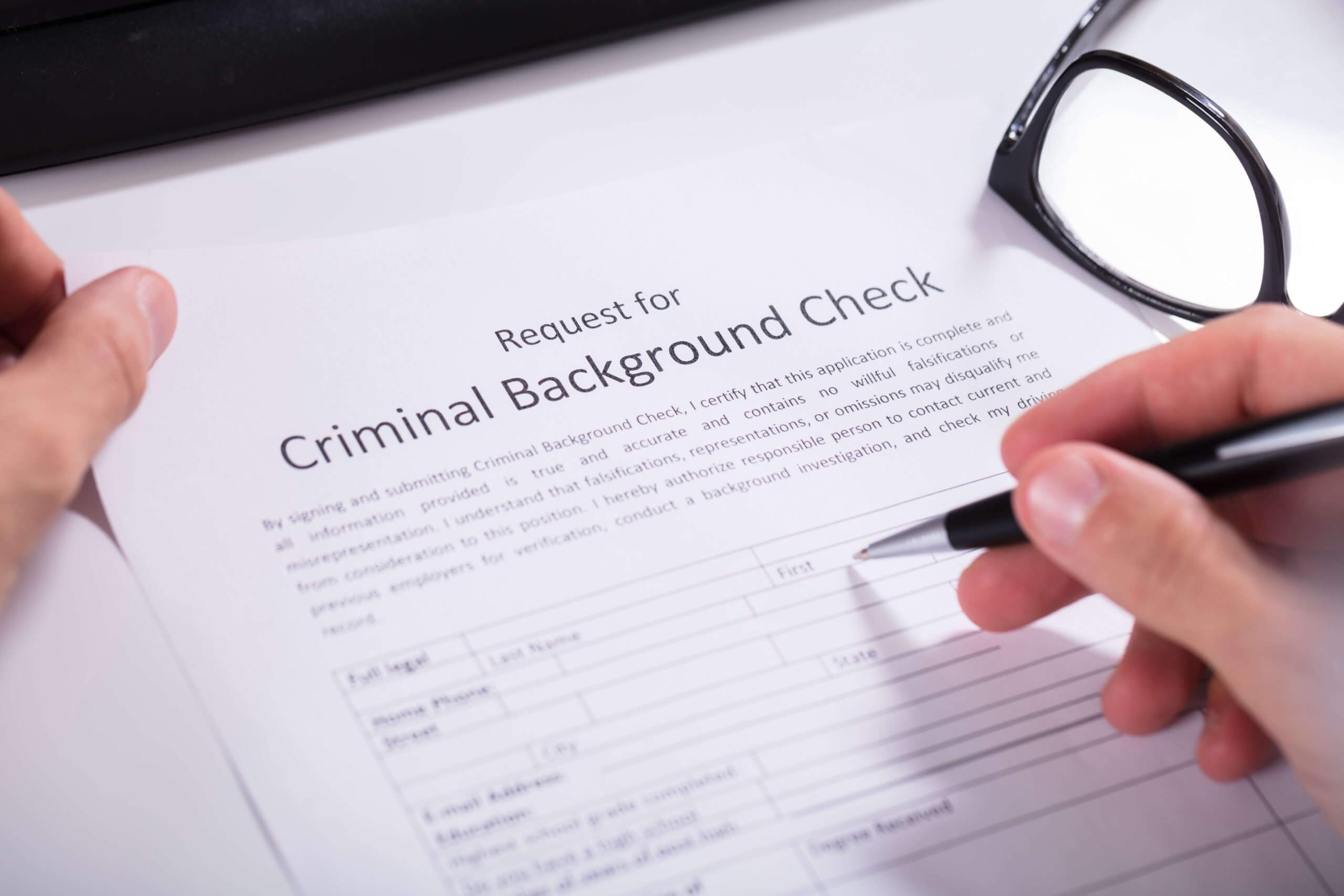
- Washington requires employers with fifteen or more employees to comply with state-specific, pre-adverse action letters or processes for criminal checks. Washington further restricts employer inquiries about criminal history and imposes a new notice requirement for self-disclosures.
- Employers of minors must obtain a minor work permit for each location where the employer employs minors and maintain on file a completed parent/school authorization form or a completed parent authorization form for each minor before the minor begins work. Washingtonemployers may employ minors aged sixteen and seventeen to work up to twenty-eight hours per week if they obtain a special variance from the minor.
- Employers cannot request, require, or coerce an employee to have a microchip implanted in the employee’s body. The law, which became effective June 11, 2026, provides employees with a private right of action for injunctive relief and monetary damages, and attorneys’ fees and costs.
Ogletree Deakins will continue to monitor developments and will post updates on the Background Checks, Cybersecurity and Privacy, Drug Testing, Employment Law, Healthcare, Leaves of Absence, Pay Equity, Reductions in Force, State Developments, Trucking & Logistics, Unfair Competition and Trade Secrets, Wage and Hour, Workplace Safety and Health, and Workplace Violence Prevention blogs as additional information becomes available.
In addition, the Ogletree Deakins Client Portal provides subscribers with timely updates on federal and state laws through the Compliance Hub, as well as the Build a Table, Search, and forthcoming Compliance Calendar features. Premium-level subscribers have access to comprehensive law summaries and templates; Snapshots and Updates are complimentary for all registered client users. For more information on the Client Portal or a Client Portal subscription, please email clientportal@ogletree.com.
Adam T. Pankratz is a shareholder in Ogletree Deakins’ Seattle office.
J. Clay Rollins is a shareholder in Ogletree Deakins’ Richmond office.
This article was co-authored by Leah J. Shepherd, who is a writer in Ogletree Deakins’ Washington, D.C., office.
Follow and Subscribe
LinkedIn | Instagram | Webinars | Podcasts